
Total Turf Works Reveals How Two State Laws Shape HOA Turf Rules and Fines
FORT WORTH, TX - October 30, 2026 - PRESSADVANTAGE - Total Turf Works is outlining how two Texas laws shape HOA turf
Press Release Disclaimer: This is a press release distributed through the XPR Media network. It has not been independently verified by our newsroom.

FORT WORTH, TX – October 30, 2026 – PRESSADVANTAGE –
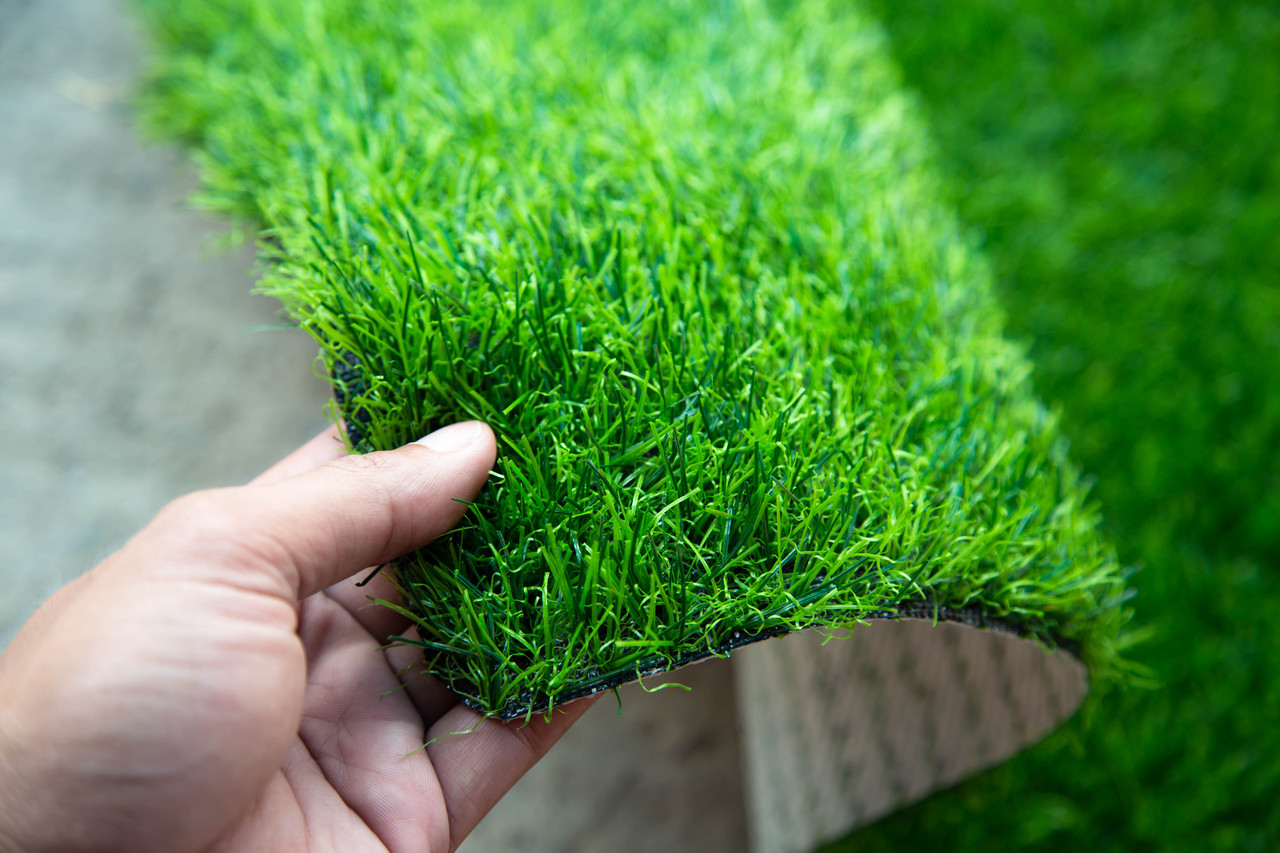
Total Turf Works is outlining how two Texas laws shape HOA turf rules for homeowners across the Dallas-Fort Worth area. One law limits what associations can prohibit in landscaping, and the other limits fines during drought restrictions. Homeowners comparing types of artificial turf should review these laws alongside their association’s requirements since neither law expressly guarantees HOA approval for synthetic grass.
The first law, Senate Bill 198, took effect September 1, 2013, and amended Section 202.007 of the Texas Property Code. For associations covered by Section 202.007, it bars a property owners’ association from including or enforcing a provision that prohibits or restricts drought-resistant landscaping or water-conserving natural turf. The Senate approved it unanimously with a 31 to zero vote, while the House passed it 88 to 58.
The legislative record links the measure to the 2011 drought, which the bill analysis described as a record-breaking one-year drought across much of the state. The analysis indicated that the bill’s purpose was to clear a barrier for homeowners looking to cut down on their water use. Additionally, the report noted that preserving a green lawn can become costly in drought conditions.
The statute does not remove association oversight. Associations may still require an owner to submit a detailed description or plan for drought-resistant landscaping or water-conserving natural turf before work begins. The purpose of that review is to support, to the extent practicable, aesthetic compatibility with other landscaping in the subdivision.
A later subsection places a limit on that review. Associations may not unreasonably deny or withhold approval of a proposed installation, and they may not unreasonably decide that a proposal is aesthetically incompatible with neighboring landscaping. The law, therefore, treats design review as permitted but subject to a reasonableness standard.
A detail in the statute’s wording matters for homeowners considering synthetic surfaces. The text refers to water-conserving natural turf and does not name synthetic grass. A 2013 House amendment proposed naming artificial turf and synthetic grass, but it was withdrawn, and the current statute retains the natural turf language.
The statute does not state whether a particular synthetic surface qualifies as drought-resistant landscaping. Covenants, association guidelines, and the facts of each project can all affect how a request is handled. Total Turf Works urges homeowners to study their governing documents and speak with an attorney about the HOA turf guidelines that pertain to a specific property.
The second law is House Bill 517, which added Section 202.008 to the Property Code and took effect on September 1, 2025. It prohibits an association from fining an owner for violating a covenant that requires green vegetation or turf or that bars brown or discolored vegetation. The protection also covers covenants requiring owners to plant or install grass or turf. The limit applies while the property is subject to a residential watering restriction under which brown or discolored vegetation or turf could reasonably result.
The statute describes a residential watering restriction as a temporary irrigation limit mandated by a municipality or water supplier to conserve water during drought conditions. The prohibition on fines continues after the restriction is lifted and remains in effect until the 60th day after that date. The bill passed the House 143 to one and the Senate 30 to zero.
Ultimately, both laws apply to property owners’ associations and do not address ordinances adopted by individual cities. Homeowners in the Dallas-Fort Worth area may therefore encounter covenant requirements and municipal rules as separate matters. The company encourages homeowners to review HOA turf rules alongside local ordinances before a project starts.
Total Turf Works is a Dallas-Fort Worth company serving residential and commercial property owners. The company handles installation, cleaning, and maintenance of synthetic surfaces. It also supplies turf products to customers in the region.
###
For more information about Total Turf Works, contact the company here:
Total Turf Works
Diego Zometa
+18172032655
info@totalturfworks.net
Fort Worth and nearby Areas
