
Senate Advances Controversial Permitting Reform Bill Amid Environmental Concerns
The U.S. Senate has advanced the Bipartisan Affordability and American Jobs Act (BAAJA) of 2026, a controversial permitting reform bill aimed at speeding up infrastructure and energy project development. While supporters argue it will reduce costs and accelerate clean energy…

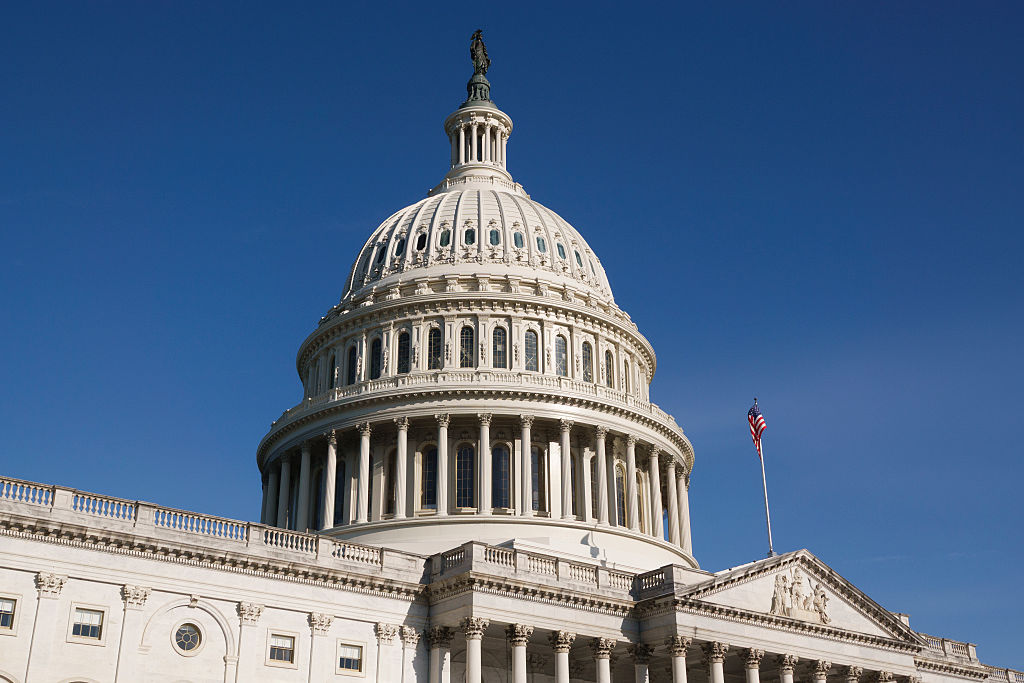
 Baton Rouge, LA, November 19, 2026 — The U.S. Senate has moved forward with the Bipartisan Affordability and American Jobs Act (BAAJA) of 2026, a legislative effort intended to reform the permitting process for infrastructure and energy projects. This development marks a significant step for a bill that has drawn both strong support and considerable opposition.
The primary objective of the BAAJA is to expedite the development of crucial infrastructure and energy initiatives across the United States. Proponents of the bill contend that its provisions will lead to reduced project costs and accelerate the deployment of clean energy technologies. They specifically highlight the potential benefits for projects such as wind farms, solar installations, and the expansion of electrical transmission lines, which are seen as vital for meeting the nation’s energy demands and climate goals.
Supporters argue that the current permitting system is often lengthy and complex, creating significant delays and increasing expenses for essential development. By streamlining these processes, they believe the BAAJA will foster economic growth and enhance America’s competitive edge in the global energy market.
However, the bill faces substantial criticism from numerous environmental advocates. These groups have voiced serious concerns that the proposed reforms could potentially weaken existing environmental protections. Their opposition stems from fears that the legislation might limit opportunities for public participation in the review and approval of major projects. Furthermore, some critics suggest that the bill could inadvertently create an environment that favors the expansion of fossil fuel development, despite intentions to boost clean energy.
The debate underscores a central tension in energy and infrastructure policy: balancing the need for rapid development and cost efficiency with the imperative to safeguard environmental quality and ensure robust public oversight. As the BAAJA progresses, stakeholders are closely watching to see how these competing interests will be addressed in subsequent legislative stages.
Story summarized from the original created by Simmone Shah on time.com, see more information here.
Media gallery


