
Western Hummingbirds Increasingly Sighted in Maine as Migratory Patterns Shift
Keeping hummingbird feeders up in Maine during October may lead to surprising sightings of western hummingbird species, which are increasingly being detected in the East due to shifts in migratory patterns.
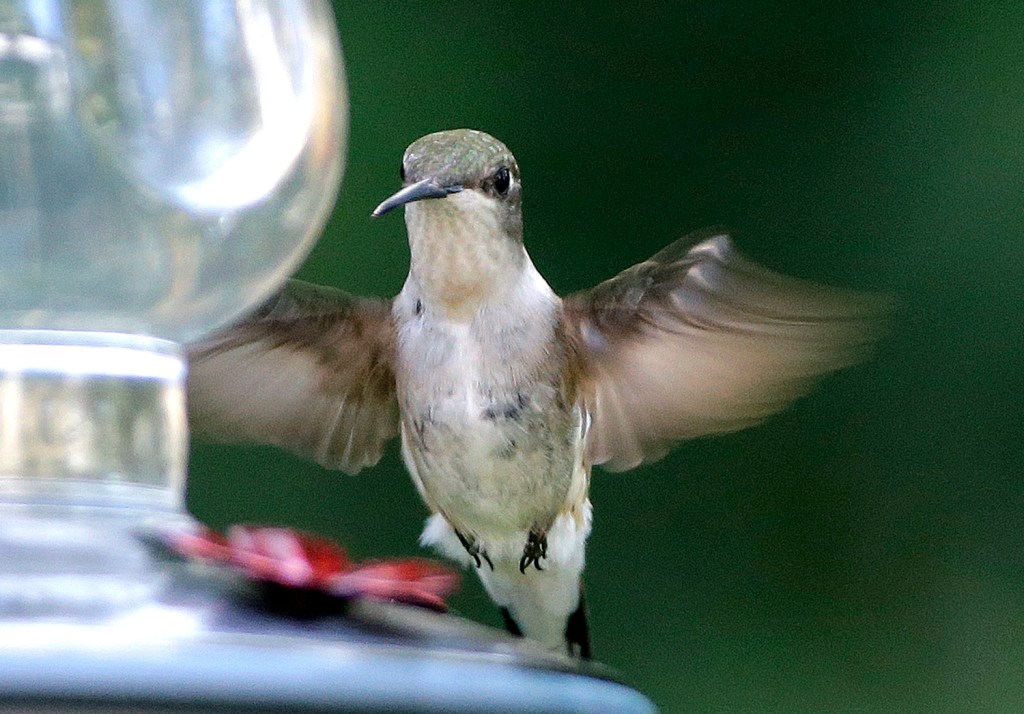
 Portland Auburn, ME, September 26, 2026 — Reports indicate that leaving hummingbird feeders active in Maine through the month of October can result in unexpected observations of hummingbird species typically found in western regions. This phenomenon is attributed to evolving migratory patterns, which are leading to an increased detection of these western species in eastern parts of the country.
Ornithologists and bird enthusiasts in Maine have noted a growing trend of western hummingbird species appearing in the state during the autumn months. While the Ruby-throated Hummingbird is the most common species seen in the East, a variety of western species are now being observed with greater frequency further east than in previous years.
The primary driver behind this shift is believed to be changes in the established migratory routes of these birds. Environmental factors, food availability, and climatic conditions are thought to influence how and where these hummingbirds travel during their annual migrations. This has led to a westward to eastward movement that is deviating from traditional paths.
The practice of maintaining hummingbird feeders into October is crucial for these observations. Hummingbirds rely on feeders for nectar, especially during their migratory journeys, and providing a food source late in the season can attract and sustain species that might otherwise not venture into these areas. The presence of feeders can therefore play a significant role in documenting these migratory anomalies.
While the specific reasons for these migratory shifts are complex and subject to ongoing research, the observation of western species in Maine during October highlights a dynamic aspect of avian behavior in response to environmental changes. Birdwatchers are encouraged to continue monitoring their feeders and reporting any unusual sightings to relevant conservation or ornithological organizations.
Story summarized from the original created by Doug Hitchcox on www.pressherald.com, see more information here.
Media gallery
