Maine Publications Detail Deer’s Superior Vision Capabilities
A trending topic in the Portland-Auburn area, originating from Maine publications, explains the advantageous visual differences in deer compared to humans. These include larger eyes for better low-light vision, a wider field of view, and distinct color perception, all of…
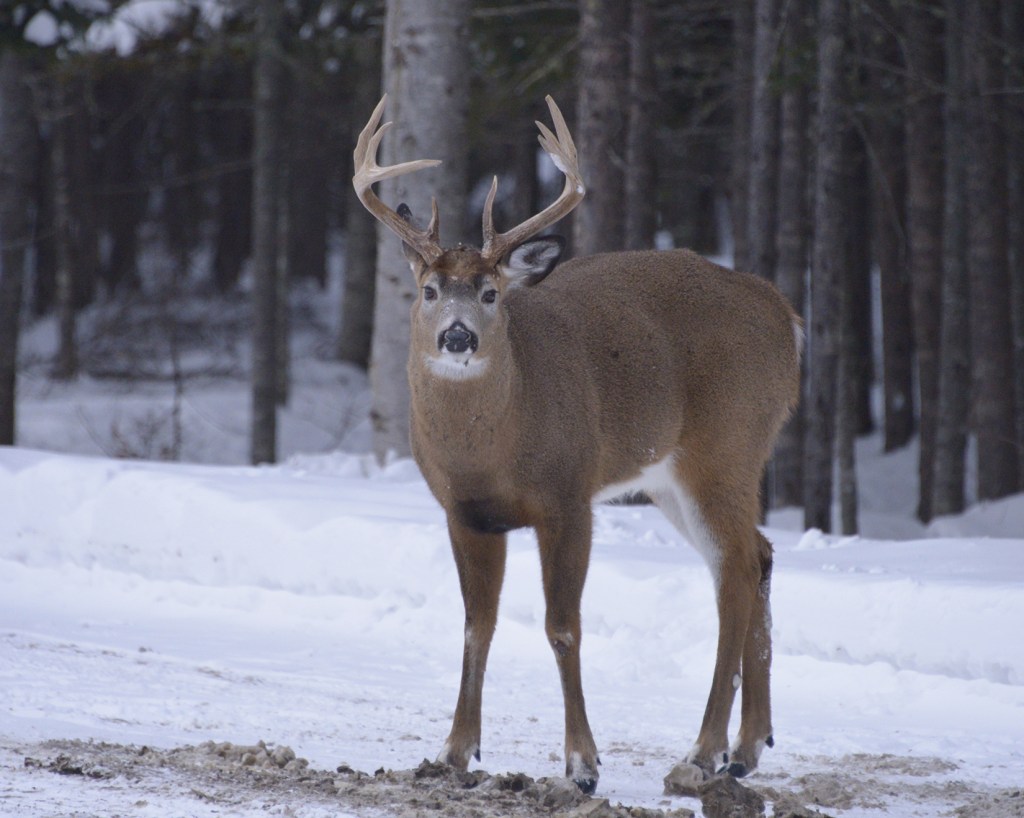
 Portland Auburn, ME, September 28, 2026 —
An examination of deer vision, gaining traction in Maine publications and trending in the Portland-Auburn area, highlights significant biological differences that provide deer with survival advantages over humans. Experts note that these distinctions are primarily centered around the structure and function of their eyes.
One of the key features emphasized is the size of a deer’s eyes. Deer possess considerably larger eyes relative to their head size compared to humans. This anatomical characteristic is crucial for their ability to see effectively in low-light conditions, such as dawn and dusk, which are peak activity times for many deer species. Enhanced low-light vision allows them to better detect predators and navigate their environment when visibility is otherwise limited.
Furthermore, the field of view offered by a deer’s eyes is substantially wider than that of humans. Positioned more on the sides of their heads, a deer’s eyes provide a nearly panoramic view, estimated to be around 310 to 360 degrees. This expansive field of vision is critical for early detection of threats from virtually any direction, allowing them to react swiftly to potential danger. In contrast, human vision is more forward-facing, providing binocular vision for depth perception but a narrower overall field.
The topic also delves into the differences in color perception. While humans typically see a broad spectrum of colors, deer vision is believed to be dichromatic. This means they likely perceive the world in shades of yellow, blue, and gray, rather than the full spectrum of colors visible to humans. This difference does not necessarily represent a disadvantage; rather, it is an adaptation that may make it easier for them to spot camouflage or differentiate between certain environmental elements that are critical for their survival, such as vegetation or the movement of predators against natural backgrounds.
These specialized visual traits collectively contribute to the deer’s ability to thrive and evade predators in their natural habitats. The information, as reported by Maine publications, offers insights into the adaptations that have shaped deer’s sensory systems for survival.
Story summarized from the original created by BOB HUMPHREY on www.pressherald.com, see more information here.
Media gallery